Most people start exercising with the best of intentions. They set goals, follow a plan, and commit to showing up. But somewhere between week two and week six, the novelty wears off and the workout starts to feel like just another item on the to-do list. Sound familiar?
The problem often isn't discipline. It's motivation — specifically, the kind that keeps you pushing harder when no one's watching. That's where competition comes in.
The psychology behind competitive exercise
Humans are wired to respond to competition. Research in sports psychology consistently shows that people perform better when they're measured against others. A study published in the journal Preventive Medicine Reports found that people who exercised in social and competitive environments worked out significantly more than those who trained alone.
When you introduce an element of competition — even a friendly one — your brain shifts gears. Suddenly, the goal isn't just to finish. It's to finish faster, lift heavier, or outlast someone else. That shift in mindset changes everything.
From passive participation to active engagement
Think about the difference between going for a solo run and taking part in a race. The distance might be identical, but the experience rarely is. With a competitor in sight, most people naturally pick up the pace. They dig deeper. They ignore the voice telling them to slow down.
This isn't exclusive to elite athletes. Recreational gym-goers, weekend cyclists, and casual swimmers all respond similarly. The presence of others — whether you're racing against them directly or simply comparing results on a leaderboard — raises the stakes in a way that internal motivation often can't.
Friendly competition works best
It's worth drawing a distinction here. Healthy competition lifts performance; unhealthy competition breeds anxiety and burnout. The goal isn't to crush everyone around you — it's to use their effort as a benchmark for your own.
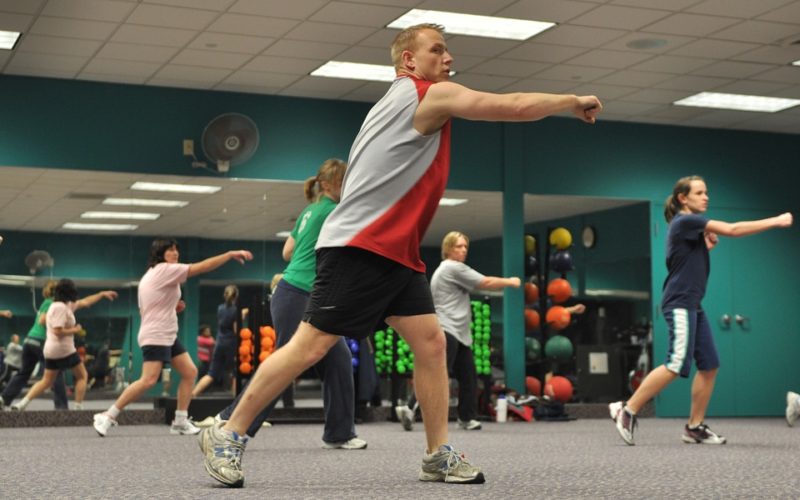
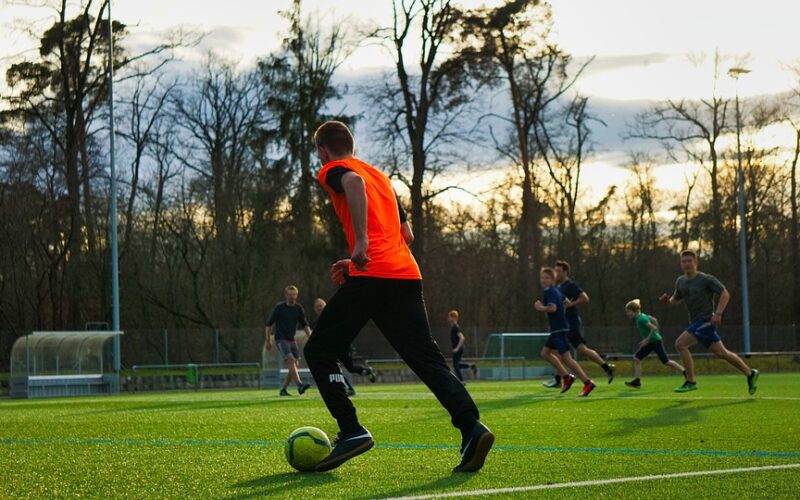
Group fitness classes, team sports, virtual challenges, and fitness apps with social features all provide this kind of low-pressure competitive environment. Platforms like Strava, for example, allow users to compare segment times with friends and local athletes, turning an ordinary run into something far more engaging. The competition is real enough to motivate, but relaxed enough to stay enjoyable.
Setting the right kind of competitive goals
Not all competitive goals are created equal. Competing to hit an absolute performance metric — say, running a 5K in under 25 minutes — gives you something concrete to chase. Competing against a friend with a similar fitness level adds accountability and social pressure. Competing against your own past performance is perhaps the most sustainable approach of all, because the benchmark shifts as you improve.
The most effective strategy often combines all three. You track your personal progress, set measurable targets, and stay connected to a community that keeps you honest. Each element reinforces the others, creating a cycle of continuous improvement that solo training rarely delivers.
Make your next workout count
If your exercise routine has started to feel flat, competition might be exactly the reset it needs. Sign up for a local event, join a fitness challenge, or simply find a training partner who pushes you to keep up. The shift from going through the motions to genuinely competing — even in the smallest way — can reignite the enthusiasm that got you started in the first place.
Exercise doesn't have to be a chore. With the right competitive spark, it can become something you actually look forward to.